

Influencer Marketing for Startups: A Practical Guide to Scalable Growth
Influencer marketing has become one of the most effective growth channels for startups. When budgets are tight and trust is hard to earn, leveraging creators who already have loyal audiences can help startups build credibility, reach the right users, and accelerate growth faster than traditional advertising.
This guide breaks down how influencer marketing works for startups, why it’s effective, and exactly how you can launch your first campaigns even with limited resources.
Why Influencer Marketing Matters for Startups
Startups face a unique challenge: people don’t trust unknown brands. Influencer marketing helps bridge that trust gap by borrowing credibility from creators your audience already follows.
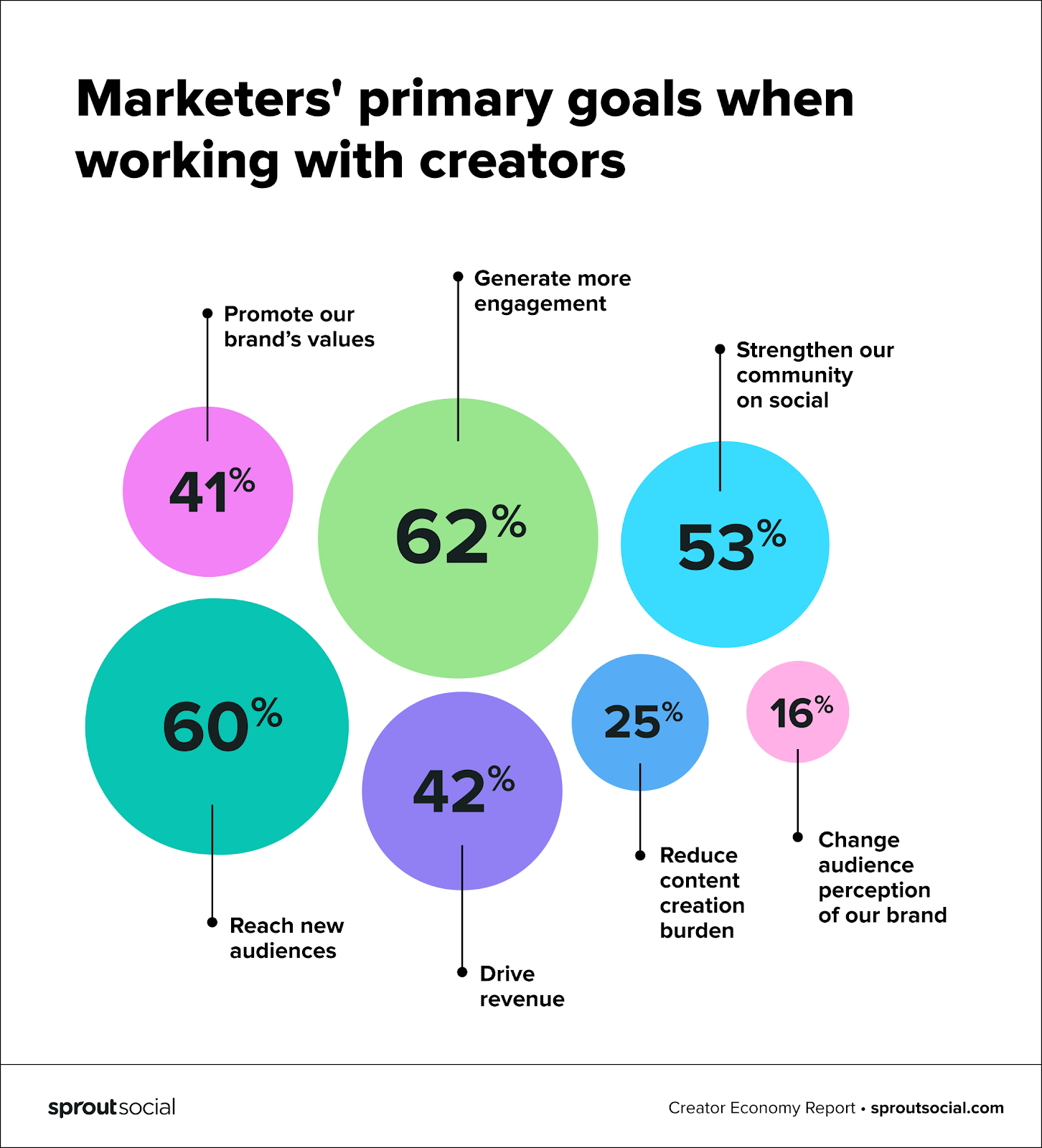
Key Benefits for Startups
1. Cost-Effective Growth
Compared to paid ads, influencer campaigns especially with micro and nano influencers can deliver better engagement at a lower cost.
2. Faster Trust Building
When a trusted creator recommends your product, it feels like a personal recommendation rather than an advertisement.
3. Highly Targeted Reach
Influencers often serve niche audiences, allowing startups to reach ideal customers instead of broad, expensive audiences.
4. Better Engagement Than Ads
Influencer content consistently outperforms brand created content in likes, comments, saves, and shares.
5. Early Product Validation
Creators provide real feedback that can help refine your product before scaling.
What Makes Influencer Marketing Different for Startups
Influencer marketing for startups is not the same as influencer marketing for big brands.
Startups typically:
- Have limited budgets
- Need quick feedback loops
- Prioritize authenticity over reach
- Focus on ROI rather than impressions
- Build relationships instead of one-off promotions
This means smaller creators, long-term partnerships, and performance tracking matter more than celebrity endorsements.
Types of Influencers Startups Should Work With

Nano Influencers (1K–10K followers)
- Very high engagement
- Extremely affordable
- Great for early traction and feedback
Micro Influencers (10K–100K followers)
- Strong niche authority
- Affordable pricing
- Ideal for conversions and trust
Niche Creators
- Smaller audiences but highly relevant
- Best for SaaS, fintech, health, education, and B2B startups
👉 For most startups, nano and micro influencers deliver the best ROI.
How to Build an Influencer Marketing Strategy for Your Startup
Step 1: Define Clear Goals
Before reaching out to any influencer, decide what success looks like:
- Brand awareness
- App installs
- Sales
- Email signups
- User generated content
Each goal requires a different content format and KPI.
Step 2: Choose the Right Platform
- Instagram → Lifestyle, D2C, fashion, food
- TikTok → Discovery, virality, Gen-Z audiences
- YouTube → Reviews, tutorials, long-term trust
- Twitter/X → Web3, SaaS, founders
- LinkedIn → B2B startups, tools, services
Step 3: Find the Right Influencers
You can discover influencers by:
- Searching hashtags and keywords
- Studying competitors’ collaborations
- Exploring creator comments and replies
- Using influencer marketplaces
- Reaching out to existing users who already love your product
Proven Influencer Marketing Tactics for Startups
Here are tactics that consistently work for startups:
- Start with small test campaigns
- Focus on niche creators over large influencers
- Build genuine, long term relationships
- Allow creators full creative freedom
- Offer free products for honest reviews
- Provide exclusive discount codes or early access
- Run giveaways and contests
- Try influencer takeovers
- Repurpose influencer content into ads
- Experiment with short form videos (Reels, Shorts, TikTok)
Influencer Pricing & Budgeting for Startups
How Startups Pay Influencers
- Free products
- Flat fee per post
- Performance-based payouts
- Affiliate commissions
- Revenue sharing
Typical Influencer Costs (Approximate)
- Nano influencers: 20$ - 100$ per post
- Micro influencers: 100$ - 500$ per post
- Video content usually costs more than static posts
What Affects Pricing
- Platform used
- Engagement rate
- Content format
- Audience niche
- Usage rights for ads
💡 Tip: Startups should negotiate for bundled deals instead of one-off posts.
Affiliate & Performance Based Influencer Marketing
Affiliate marketing is one of the safest influencer models for startups.
Why it works:
- Pay only for results
- Incentivizes creators to promote harder
- Scales without large upfront costs
Use:
- Unique referral links
- Discount codes
- Commission-based payouts
This model works especially well for SaaS, apps, and subscription startups.
Measuring Influencer Marketing Success
Track what actually matters:
Key Metrics
- Engagement rate
- Click-through rate
- Conversions
- Cost per acquisition
- Content saves & shares
Tools & Tracking
- UTM links
- Discount codes
- Platform analytics
- Google Analytics
- In-app attribution tools
Avoid focusing only on likes or follower count.
How to Analyze Competitor Influencer Campaigns
A simple competitor audit can reveal winning ideas:
- Identify influencers they work with
- Note content formats used
- Analyze engagement levels
- Spot gaps you can exploit
- Look for creators competitors missed
This helps you avoid costly trial and error.
Real Startup Wins with Influencer Marketing
Many startups have scaled by:
- Building communities before paid ads
- Turning customers into creators
- Using influencer content as paid ads
- Focusing on storytelling over selling
The common thread? Consistency and authenticity.
Common Influencer Marketing Mistakes Startups Make
- Choosing reach over relevance
- Over-controlling creators
- No clear CTA or tracking
- Running one off campaigns only
- Ignoring contracts and usage rights
Avoid these, and your campaigns will outperform most competitors.
Is Influencer Marketing Right for Your Startup?
Influencer marketing works best if:
- Your audience is active on social media
- Your product benefits from demonstration or storytelling
- You can test small before scaling
- You value long term growth over instant sales
If yes, influencer marketing should be part of your growth mix.
Frequently Asked Questions
How much should startups spend on influencer marketing?
Start with 5–10% of your marketing budget.
Are micro influencers better for startups?
Yes, they usually deliver better engagement and ROI.
How long does it take to see results?
Awareness campaigns show results quickly; conversions take 30–60 days.
Does influencer marketing work for B2B startups?
Yes - especially on LinkedIn, Twitter/X, and YouTube.
Need Help Executing This?
Influencer marketing fails when startups jump in without a system.
Gufy helps startups test, track, and scale influencer campaigns that actually convert.
👉 Get a free influencer growth plan
Key Takeaways
Influencer marketing helps startups:
- Build trust faster
- Reach niche audiences
- Test messaging cheaply
- Scale using creator content
Start small, measure everything, and double down on what works.
Latest post

Discover practical growth hacks for apps to increase downloads, engagement, retention, and revenue using ASO, referrals, analytics, and more.

Learn how to market an early-stage startup, from finding your target customers and choosing channels to building a strategy and measuring growth.

.png)
