
How Nike Stole the Spotlight from Adidas at the Olympics
At London 2012, Adidas was the official sportswear partner and Nike was not a sponsor at all. How Nike still won attention, within the rules, and what smaller brands can learn.
By Suren, Founder & Growth Strategist at Gufy · Published · Last updated
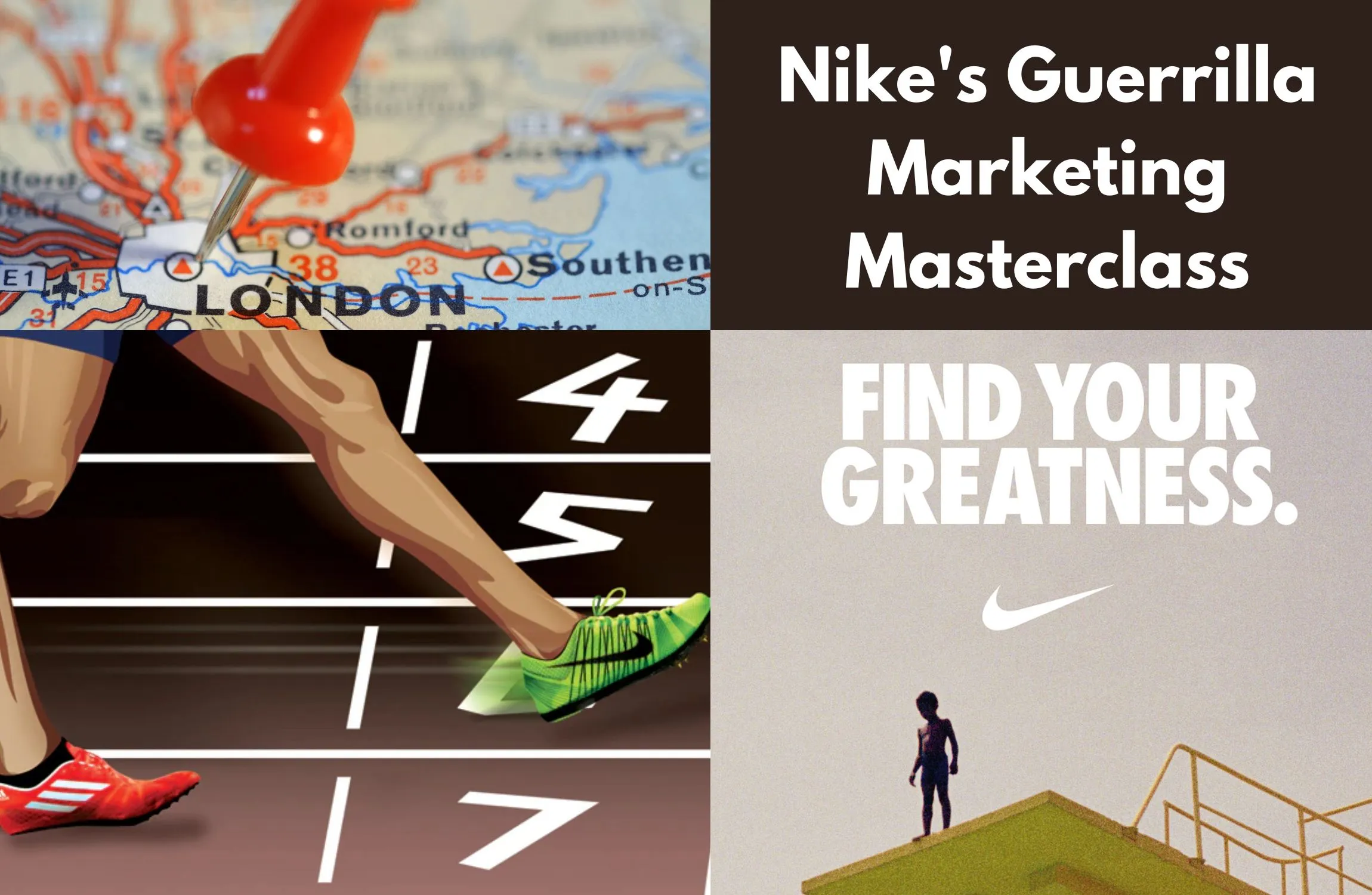
At the London 2012 Olympics, Adidas was the official sportswear partner, reportedly paying around £100 million for the role. Nike was not a sponsor at all. Yet in a survey of American consumers, more people named Nike as an Olympic sponsor than named Adidas. Nike did it without using the word "Olympics" once.
This is how, and what brands with far smaller budgets can learn from it.
Adidas, the official sponsor
Adidas did what official sponsors do. It supplied the kit for the British team and the uniforms for thousands of volunteers, ran a major campaign called "Take the Stage" and put its name across the Games.
Being an official partner bought exclusive rights. Only Adidas, among sportswear brands, could use the Olympic name and symbols or advertise an association with the Games. The organisers and UK law protected those rights tightly.
What Nike could not do
Because Nike was not a sponsor, the rules shut it out in three ways:
- It could not use the Olympic name, the rings or other protected terms.
- It could not suggest any official link to London 2012.
- Under Rule 40 of the Olympic Charter, athletes competing in the Games could not appear in advertising for non-sponsors during the Games period.
Nike built a campaign that respected every one of those limits and still made it the brand people remembered.
How Nike did it
"Find Your Greatness"
Two days before the opening ceremony, Nike launched a campaign called "Find Your Greatness". The films showed ordinary people playing sport in places called London, but none of them in London, England. They included London, Ohio, East London in South Africa and Little London in Jamaica.
The message was that greatness is not reserved for the few who reach a stadium. The best-known film showed a 12-year-old boy, Nathan Sorrell, jogging slowly along an empty road in London, Ohio.
It never mentioned the Olympics. It did not need to. With the Games on every screen, the word "London" and the theme of athletic greatness made the connection in viewers' minds. Nike said the advertising had been cleared by the UK authorities.
Everyday athletes instead of Olympians
Rule 40 kept Olympic athletes out of Nike's advertising. Nike turned that limit into the idea itself. A campaign about everyday athletes had no need for stars, and it gave viewers someone to identify with.
The Volt shoes
Nike sponsored around 400 athletes competing at the Games. It gave them all shoes in one fluorescent yellow-green colour, which Nike calls Volt. Its designers chose it as the colour most visible to the human eye.
The result was that, whatever kit an athlete wore, the shoes stood out on the track and on television. Nike was visible in event after event, including on the feet of athletes whose national teams were dressed by Adidas. Shoes are personal equipment, so this was allowed.
Timing and social media
The campaign ran online and under the hashtag #findgreatness as attention on the Games peaked. Nike was part of the conversation without ever claiming to be part of the event.
Did it work?
The clearest evidence is a survey published by the research company Toluna during the Games. It reported that 37% of American respondents identified Nike as an Olympic sponsor, while 24% correctly identified Adidas.
Analyses of social media at the time gave a more mixed picture. Some showed Nike ahead on mentions connected to the Games. YouGov's analysis found the two brands more evenly matched. Adidas also reported strong results from its own campaign.
So the fair summary is this: Adidas got what it paid for, and Nike got a large share of the attention without paying for it.
What smaller brands can learn
1. A constraint can be the idea
Nike could not show Olympians or the host city. The campaign that came out of those limits was stronger than a conventional one would have been. When you cannot do the obvious thing, the alternative is often more interesting.
2. Join the moment without buying it
You do not need to sponsor an event to be relevant while it is happening. You need something true to say that fits what people are already thinking about, and you need to stay within the rules.
3. Make the product do the advertising
The Volt shoes were the campaign. A distinctive product in the right place is worth more than an advert next to it. Ask where your product is already seen, and whether it is recognisable there.
4. Speak to the audience, not about yourself
"Find Your Greatness" was about the viewer. Adidas's campaign was about elite athletes. The one that made ordinary people the subject travelled further.
5. Know the rules exactly
Nike's campaign worked because it understood precisely what was and was not allowed, and had it checked. Ambush marketing that crosses the line gets taken down and can lead to legal action. If you plan anything near a protected event, get advice first.
A note on the rules since then
Event organisers have tightened and adjusted their rules since 2012, and Rule 40 has been relaxed in some respects to give athletes more freedom with their personal sponsors. The exact limits differ by Games and by country. The principles above still hold, but the detail needs checking each time.
For more campaign breakdowns, see How Coca-Cola's Share a Coke Campaign Redefined Marketing and How Burger King Turned Traffic Jams into Money Makers.
Common questions
Was Nike a sponsor of the London 2012 Olympics?
No. Adidas was the official sportswear partner of London 2012. Nike had no official connection to the Games, which is why its campaign is studied as an example of ambush marketing.
What was Nike's Find Your Greatness campaign?
A campaign launched just before the London 2012 Olympics that showed everyday athletes in places around the world that are also called London. It never mentioned the Olympics. Its message was that greatness is not reserved for elite athletes. The best-known film showed a 12-year-old boy jogging along a road in London, Ohio.
What is ambush marketing?
Ambush marketing is when a brand associates itself with a major event without paying to be an official sponsor. It ranges from clearly unlawful uses of protected names and logos to clever campaigns that stay within the rules, as Nike's did.
Did Nike break the Olympic rules in 2012?
The campaign was designed not to. It avoided the Olympic name and symbols, did not show London in England, and did not feature Olympic athletes in the advertising during the restricted period. Nike said the ad had been cleared by the UK advertising authorities.
Why were so many athletes wearing bright yellow Nike shoes in 2012?
Nike gave the roughly 400 athletes it sponsored shoes in a single fluorescent yellow-green colour it calls Volt. Its designers chose it as the colour most visible to the human eye, so the shoes stood out on the track and on television whatever kit the athlete wore.
Conclusion
Nike did not out-spend Adidas at London 2012. It out-thought the limits it was given. A clear idea, a product people could not miss and a message about the audience did what an official sponsorship could not buy.
Most businesses will never face the Olympics. The same thinking applies at any size: work out what your audience is paying attention to, and find an honest way to be part of it.